
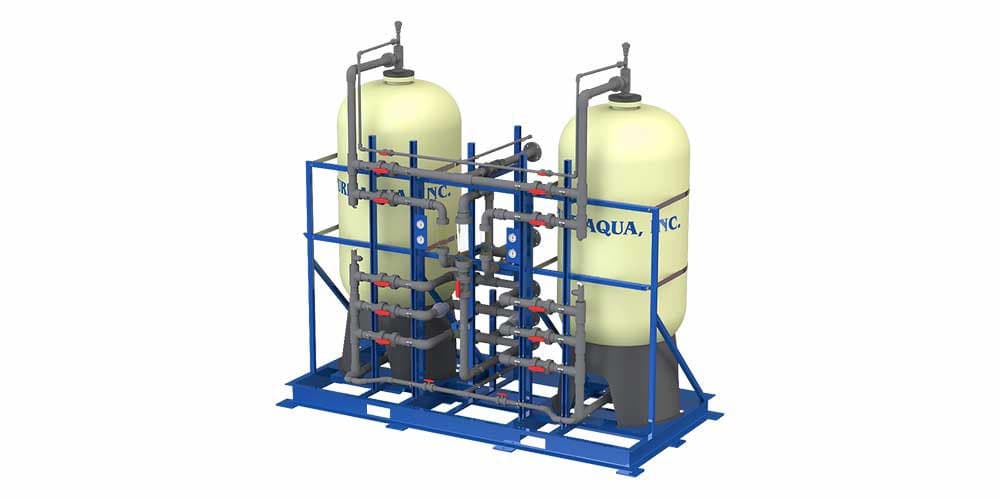
Product Images
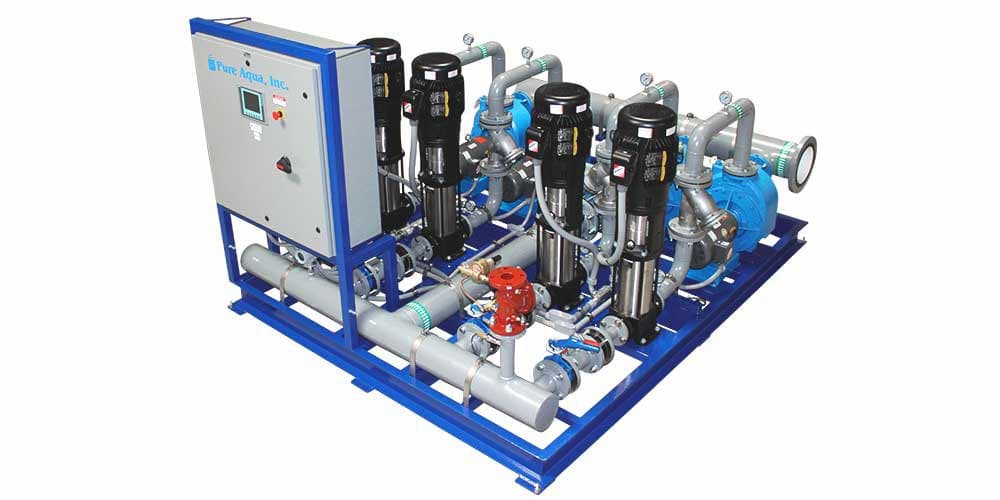
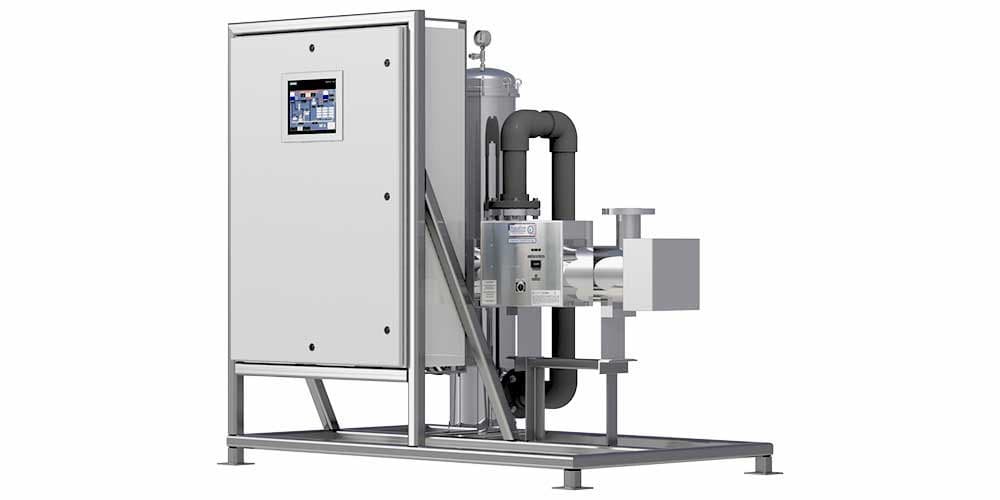
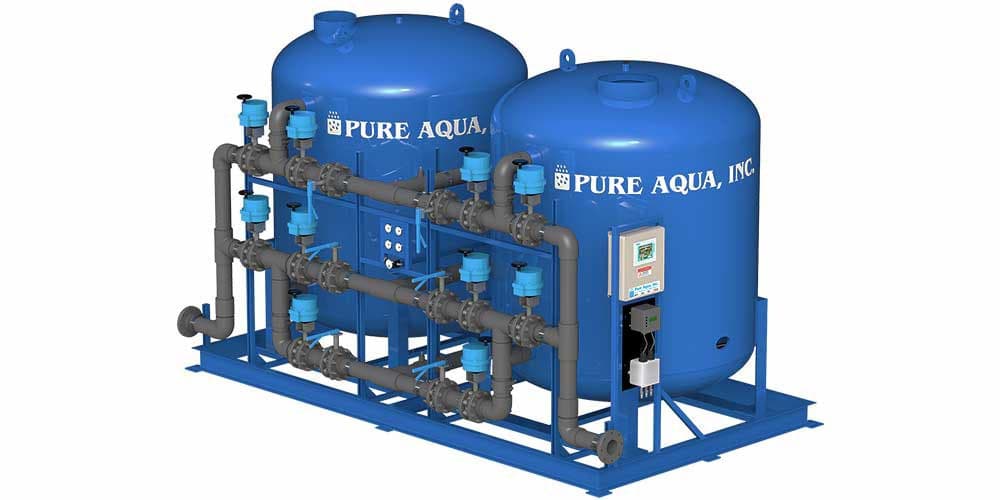
Product Description
Reverse osmosis(RO) is a filtration method that removes many types of large molecules and ions from solutions by applying pressure to the solution when it is on one side of a selective membrane. The result is that the solute is retained on the pressurized side of the membrane and the pure solvent is allowed to pass to the other side. To be "selective," this membrane should not allow large molecules or ions through the pores (holes), but should allow smaller components of the solution (such as the solvent) to pass freely.
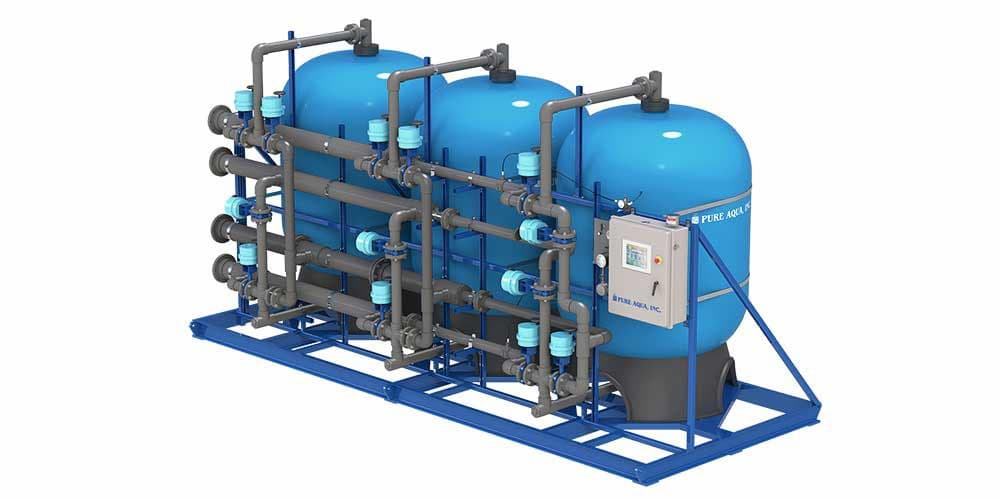
That being said, it is vital to the preservation of the quality of your reverse osmosis membrane to pre-treat any materials that could harm reduce the effectiveness of the membrane itself. These materials may simply cause damage over time, or some may destroy a membrane outright.
Reverse Osmosis is most commonly known for its use in drinking water purification from seawater, removing the salt and other substances from the water molecules. This is the reverse of the normal osmosis process, in which the solvent naturally moves from an area of low solute concentration, through a membrane, to an area of high solute concentration. The movement of a pure solvent to equalize solute concentrations on each side of a membrane generates a pressure and this is the "osmotic pressure." Applying an external pressure to reverse the natural flow of pure solvent, thus, is reverse osmosis.
The process is similar to membrane filtration. However, there are key differences between reverse osmosis and filtration. The predominant removal mechanism in membrane filtration is straining, or size exclusion, so the process can theoretically achieve perfect exclusion of particles regardless of operational parameters such as influent pressure and concentration. Reverse osmosis, however involves a diffusive mechanism so that separation efficiency is dependent on solute concentration, pressure and water flux rate.
Pretreatment is important when working with RO and nanofiltration (NF) membranes due to the nature of their spiral wound design. The material is engineered in such a fashion as to allow only one-way flow through the system. As such, the spiral wound design does not allow for back pulsing with water or air agitation to scour its surface and remove solids. Since accumulated material cannot be removed from the membrane surface systems, they are highly susceptible to fouling (loss of production capacity). Therefore, pretreatment is a necessity for any RO or NF system.
CO3-2+ H3O+ = HCO3- + H2OHCO3- + H3O+ = H2CO3+ H2O
Here at Pure Aqua, Inc., we engineer and build all of our water treatment systems in-house.
Our turn-key water treatment systems are all pre-engineered using the latest CAD technology available.